
Our policy aims
Champion the profession
The Institute speaks on behalf of its members to ensure that professional forestry and arboriculture expertise is central to policy development and implementation. We promote the highest professional standards and highlight the essential role of foresters and arboriculturists in delivering national environmental and economic goals.
Raise the profile of the sector
We work to ensure that forestry, arboriculture and the wider forest sector are recognised in policy conversations, government programmes and public debate. This includes demonstrating the sector’s contributions to climate mitigation, biodiversity recovery, rural economies and human wellbeing.
Influence policy for impact
We engage across the UK to shape policies that support sustainable rural and urban forestry, advance nature recovery, strengthen resilience to climate change and enable a thriving domestic timber sector. Our advocacy ensures that decisions are informed by science, evidence and professional practice.
Promote understanding of forestry’s value
Forestry and arboriculture are essential to meeting many of the UK’s biggest policy challenges, from climate adaptation to green growth. We work to demonstrate how trees, woodlands and sustainable forest management contribute to environmental, social and economic outcomes.
How we assess policy priorities
In evaluating any new policy or workstream, the Institute considers:
Skills
Standards
Evidence base
Partnership working
Current areas of policy focus
Sector skills, training & workforce development
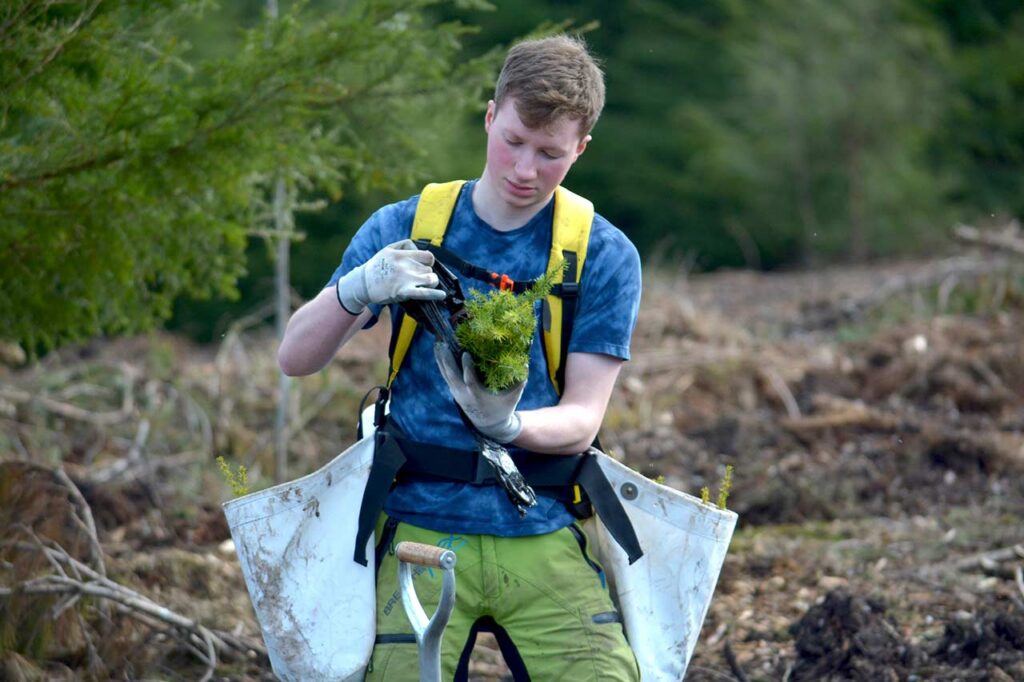
Leading the national conversation on forestry skills, expanding professional accreditation pathways, promoting inclusivity and diversity, and advocating for funding of technical and higher-level forestry education.
ICF developments
- We are working with governments and partners to address the critical skills shortage in the sector
- We are embedded in the work of the skills forums
- We have a Young Professional Foresters’ Exchange Programme working in partnership with professional bodies in Canada, New Zealand, and Australia
- We chair the Forestry Skills Forum Equality, Diversity, and Inclusion group
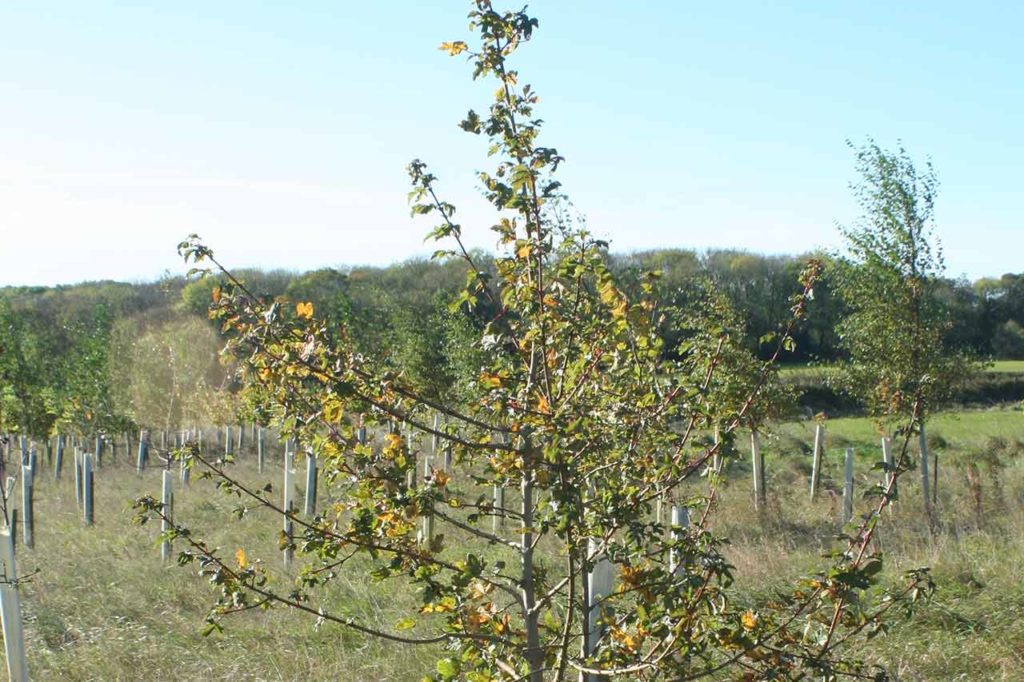
Delivering woodland expansion & climate targets
Ensuring tree and planting quality, long-term management and professional expertise underpin all woodland creation programmes.
Forest resilience, biosecurity & nature recovery
Advocating for resilient silviculture, improved surveillance, and investment in tree health and ecological restoration.

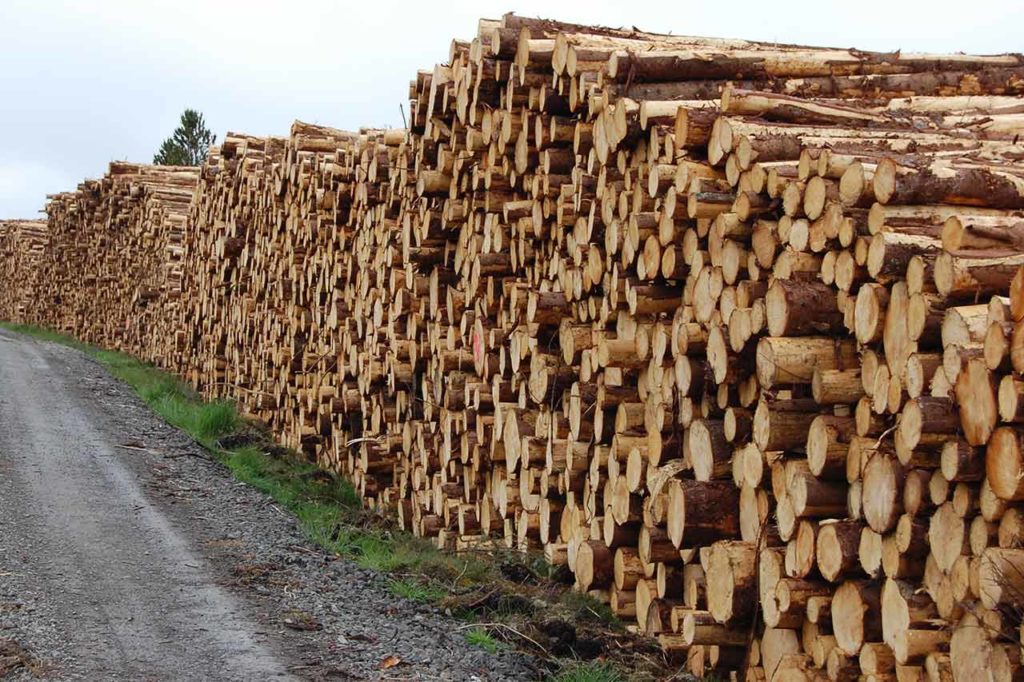
Timber security & the green economy
Promoting policies supporting domestic timber production, productive species planting and improvement, and long-term investment in processing and supply chains.
ICF developments
- We have brought together a group of our Fellows to shape the Institute’s role in supporting the UK’s wider ambitions for woodland creation for timber
- Our Special Interest Groups facilitate increased knowledge exchange
Land use reform & competing demands on land
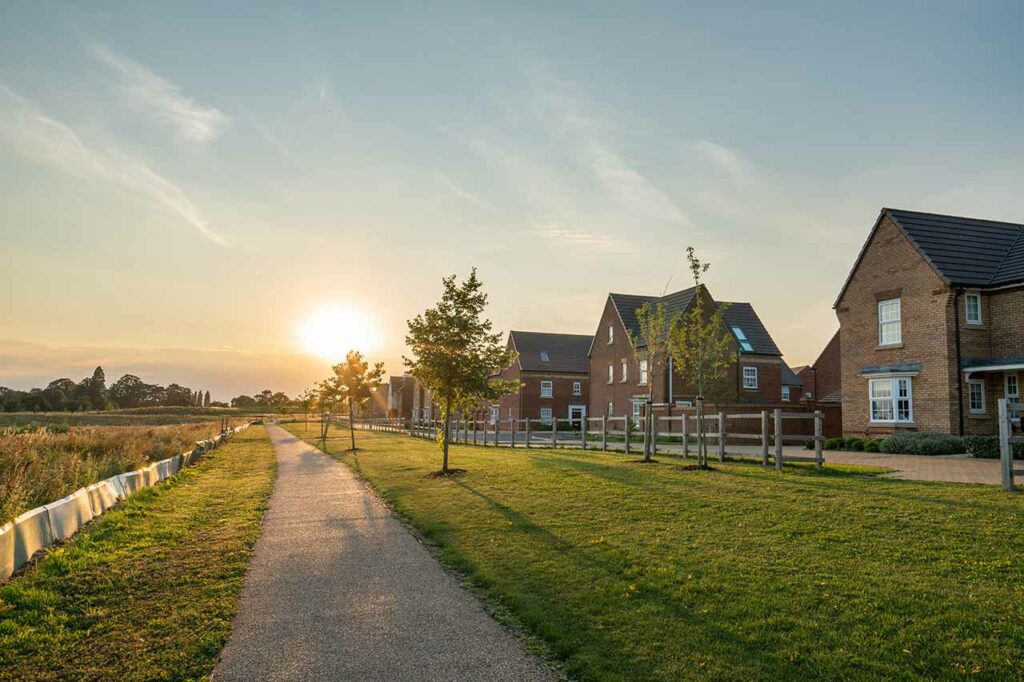
Providing expert input to ensure woodland creation, productive forestry and tree-based land uses are planned strategically and sustainably.

Agricultural transition
Ensuring farmers and land managers have access to professional forestry advice, and that woodland options within support schemes are robust, well designed and well managed.
How we engage on policy
Across all of our policy focus areas, our representatives participate in relevant groups and forums and we respond to consultations and calls for evidence. These activities help us ensure the views and experiences of our members are reflected in current development.
Our groups and representation
Our consultation responses
Our Special Interest and Steering groups
Our Special Interest and Steering groups represent key areas of the sector, promote knowledge sharing, and provide relevant CPD and training. They also help build a shared understanding of professionalism across forestry and arboriculture.