
Institute responds to the latest woodland creation statistics
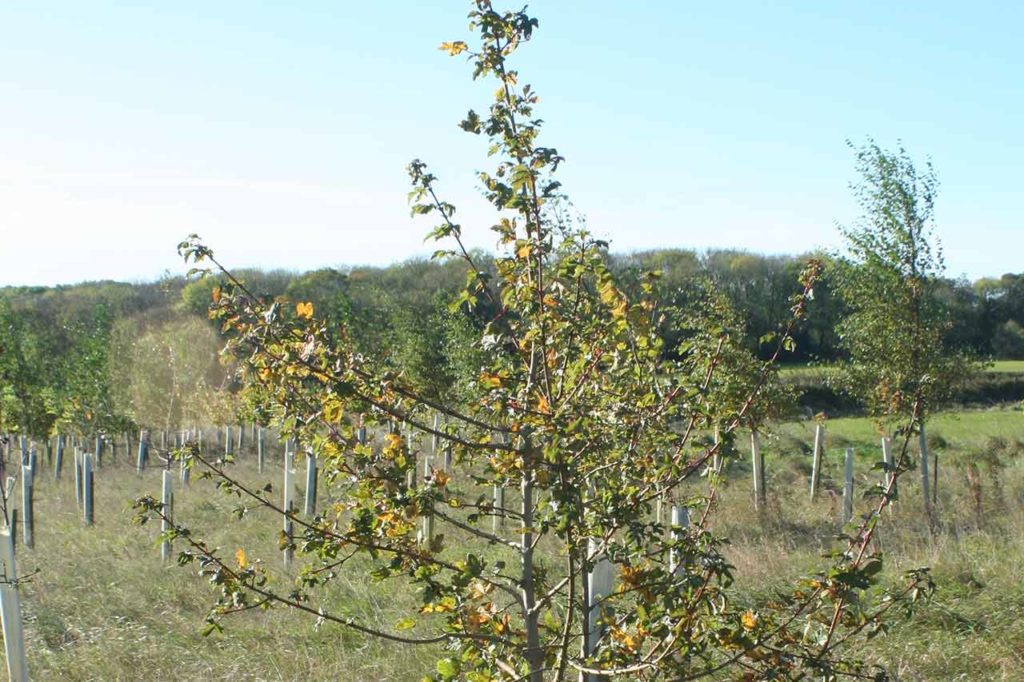
With the latest UK woodland creation statistics published recently, the Institute has been considering how and if we should respond. 2025/6 – 7,220 hectares 2024/5 – 8,470 hectares 2023/4 – 15,040 hectares We welcome the continued growth in overall woodland cover across the UK. However, we also recognise the concerns about the recent slowdown in […]
Helping shape a more constructive approach to engagement in forestry
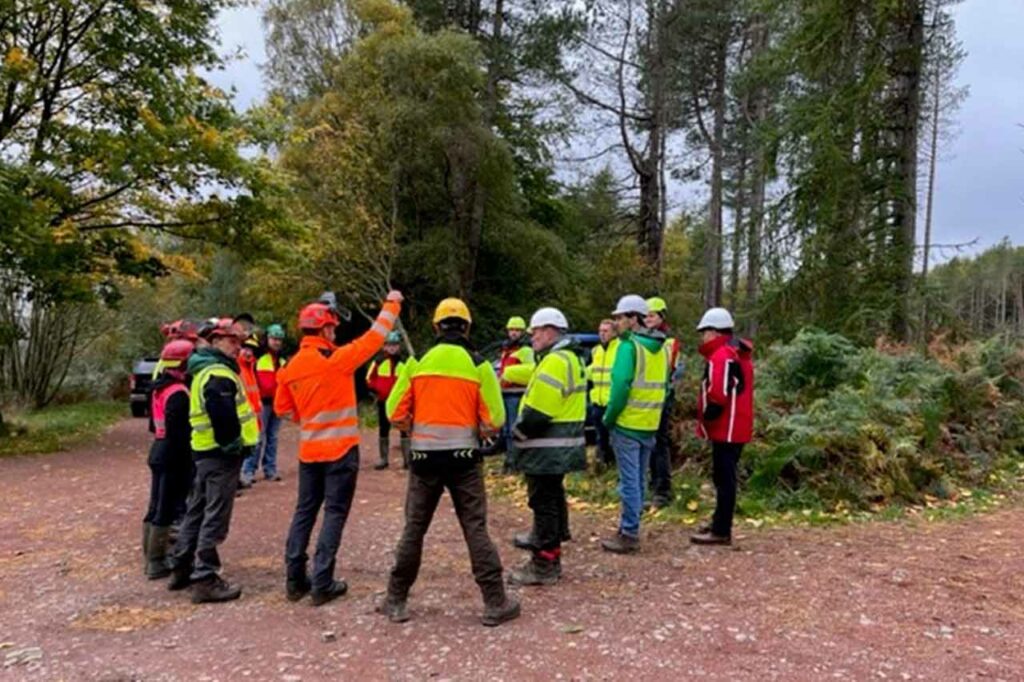
The Institute is proud to have contributed to the development of the new document Guidelines for Respectful and Constructive Engagement in Forestry Management (Scotland), published by Confor. These guidelines were developed collaboratively with partners from across the forestry sector, including Scottish Forestry, Forestry and Land Scotland, Scottish Woodlands, Tilhill Forestry and the Scottish Land Commission. […]
Institute signs joint letter urging Defra to publish Circular Economy Growth Plan
In May 2026, the Environmental Policy Forum (EPF) wrote to Emma Reynolds MP, the Secretary of State for Environment, Food & Rural Affairs. The EPF is a coalition of 17 professional bodies and learned societies, including the Institute, that promote environmental sustainability and resilience for the public benefit. What we are calling for: In the […]
ICF welcomes England’s Red Squirrel Recovery Strategy

The Institute of Chartered Foresters welcomes the publication of the England Red Squirrel Recovery Strategy, an important milestone for woodland stewardship and species conservation across the country. As the professional body for forestry and arboriculture, we recognise the strategy’s strong foundation in evidence‑based management, its emphasis on resilient woodland design, and its commitment to coordinated […]
Forestry policy & CPD roundup January – March 2026

Welcome to the Institute’s policy update focusing on key developments shaping forestry and land use policy, upcoming consultations, CPD events, and opportunities for member engagement. Headline updates Forestry Commission leadership and policy tone The outgoing Forestry Commission Chair, Sir William Worsley MICFor, reflected on and reinforced three policy priorities likely to shape 2026–2030: Climate‑resilient woodland […]
What the Land Use Framework for England and 50-year softwood forecast mean for the forestry profession
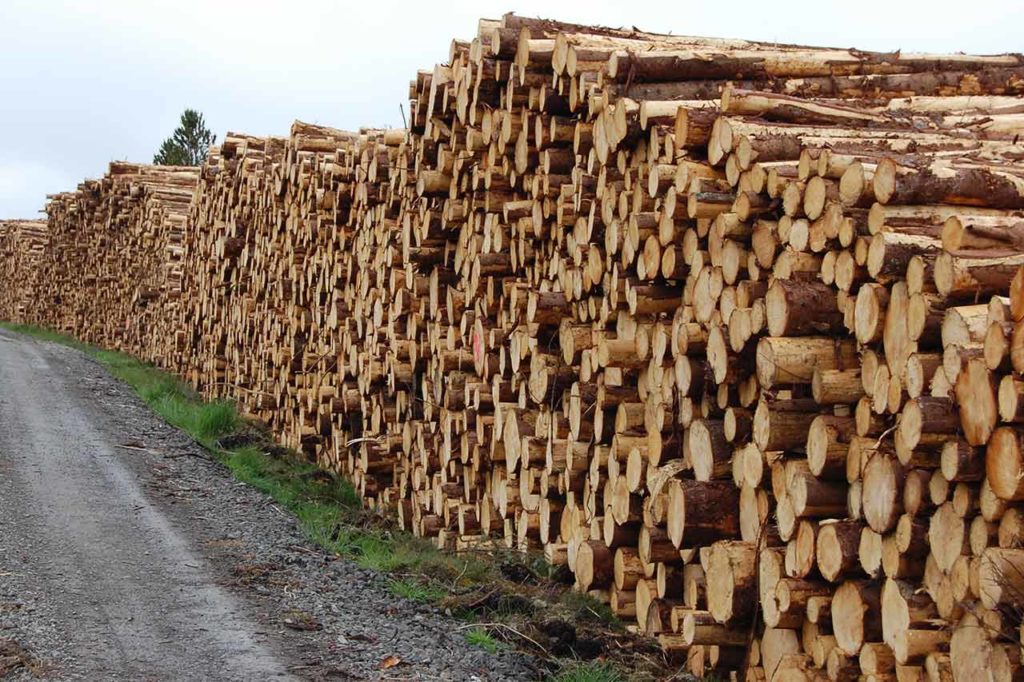
With the initial commentary now settling on the long‑anticipated Land Use Framework for England and Forest Research’s 50‑year softwood availability forecast, attention is shifting from reaction to delivery. Together, these two documents tell a clear story. The future of forestry over the next 30 to 50 years will be shaped not just by land availability or policy ambition, […]
Defra publishes responses from call for evidence on the private sector in nature recovery

Defra received 169 responses to its Expanding the role of the private sector in nature recovery call for evidence that closed in August 2025. The Institute provided evidence for this call to inform policy developments and help deliver the Environmental Improvement Plan commitment to encourage private investment in support of nature recovery goals. The summary […]
National Audit Office report on the Nature for Climate Fund
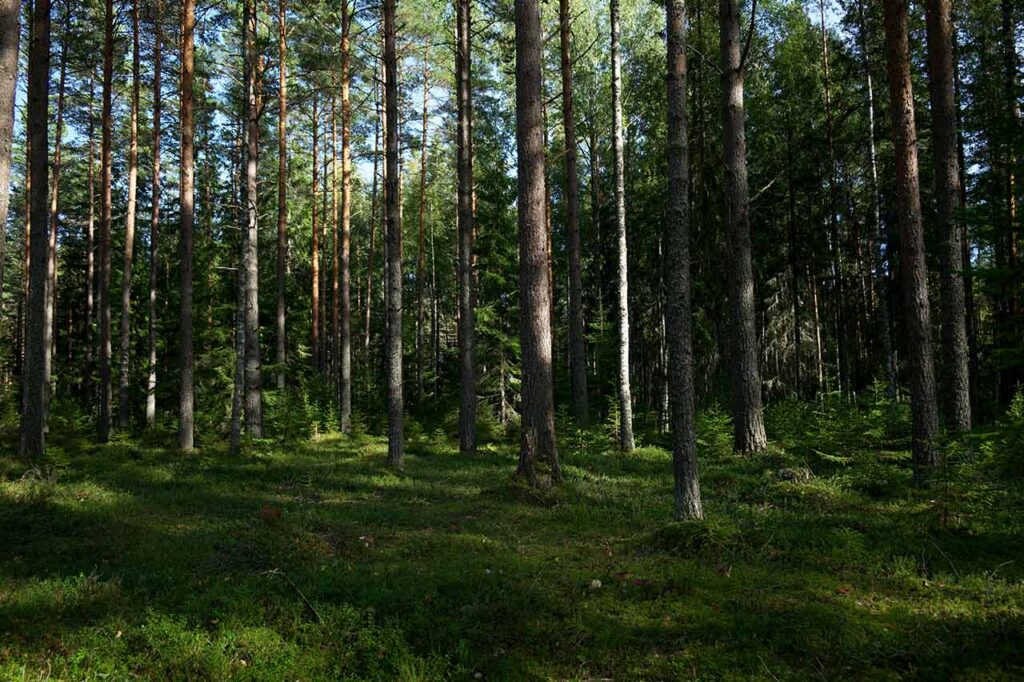
On 23 March, the National Audit Office published its latest report on the Nature for Climate Fund. The report reviews progress across both tree planting and peatland restoration, examines how the programme was established and delivered, and considers the key barriers that remain. The Institute was pleased to contribute evidence to this review and welcome […]
Defra publishes deer impacts policy statement for England
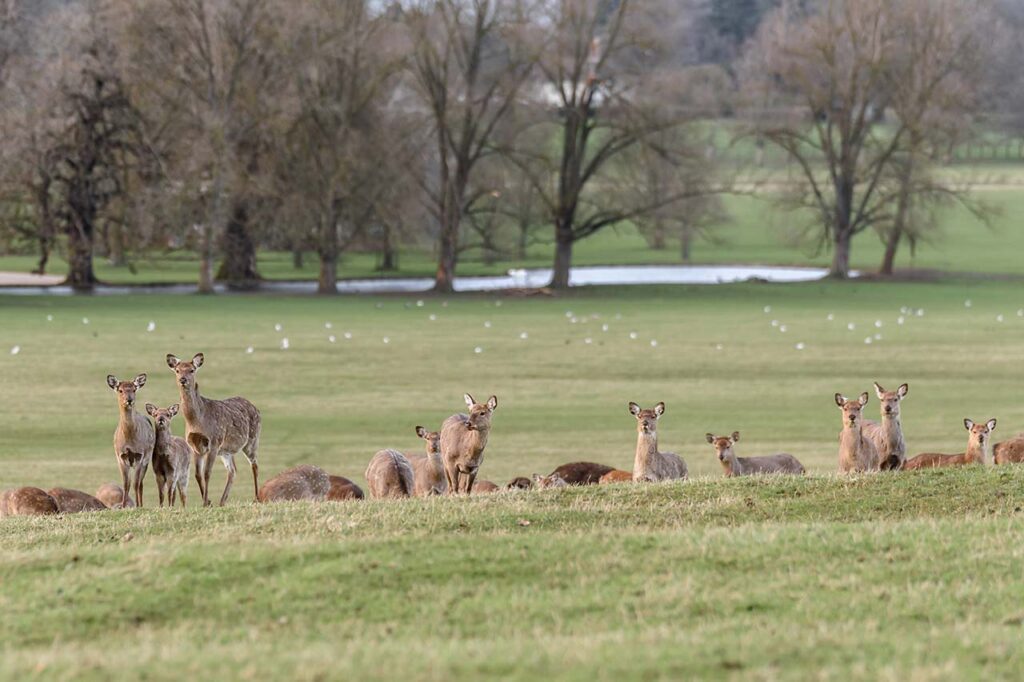
We welcome Defra’s recent deer impacts policy statement: managing the impacts of wild deer in England. This policy provides a clear, evidence-led framework to tackle the growing ecological, economic, and welfare challenges posed by rising deer populations. Recent evidence shows that 33% of English woodlands are now negatively affected by deer, up from around a […]
Forestry, timber security & national resilience: a call to action
The UK Government’s latest national security assessment is clear: global biodiversity loss and ecosystem collapse pose serious risks to the UK’s food security, climate stability and economic resilience. For the UK forestry sector, this means greater climate volatility, supply‑chain disruption, increased pests and diseases, and rising wildfire and storm risks. It also means a growing […]