Student member of the Institute, Alexandros Theodorou, has recently published a methods paper, Natural Methods to Protect Trees Against Large Herbivores: A Systematic Mapping Protocol, and is now conducting an evidence synthesis to collate research on “natural” tree protection methods.
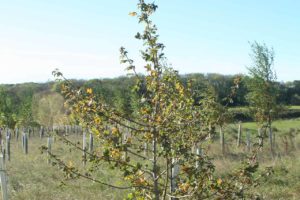
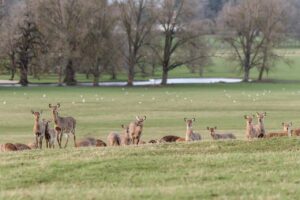
These methods, such as nurse plants, brash, debris, hedges, and logs, offer cost-effective, ecologically sustainable alternatives to fencing, individual tree guards, or lethal control, which can be costly, labour-intensive, or socially contentious. Large herbivores like deer can inhibit tree establishment and growth through browsing, bark stripping, and trampling, making effective protection essential to meet the UK government’s woodland expansion targets.
The study aims to characterise contexts in which these natural protection methods have been tested, compiling both peer-reviewed and grey literature, including reports, theses, dissertations, and pre-print articles, to create a fully accessible database. This resource will support practitioners and researchers in implementing methods suited to different conditions while enhancing ecological, social and economic outcomes.
The review focuses on experimental tree-planting trials where natural methods were applied in areas accessible to wild or domestic herbivores, measuring outcomes such as survival, growth, or browsing damage. Researchers and practitioners with relevant reports are invited to contribute, helping ensure the synthesis reflects real-world applications.
Responses are requested by 4 May 2026, and anyone with relevant grey literature or unpublished studies is encouraged to get in touch with Alexandros Theodorou here.